


How to check a used car before buying - and how an AI agent does it
Seven things to check in a listing before you schedule a viewing - using the BMW 3 Series as an example. And how to hand the whole job to an AI agent in 60 seconds.
VIN is 17 characters that tell the full story of a car. We explain what each section means, where to find it and how to check a car for free before buying.
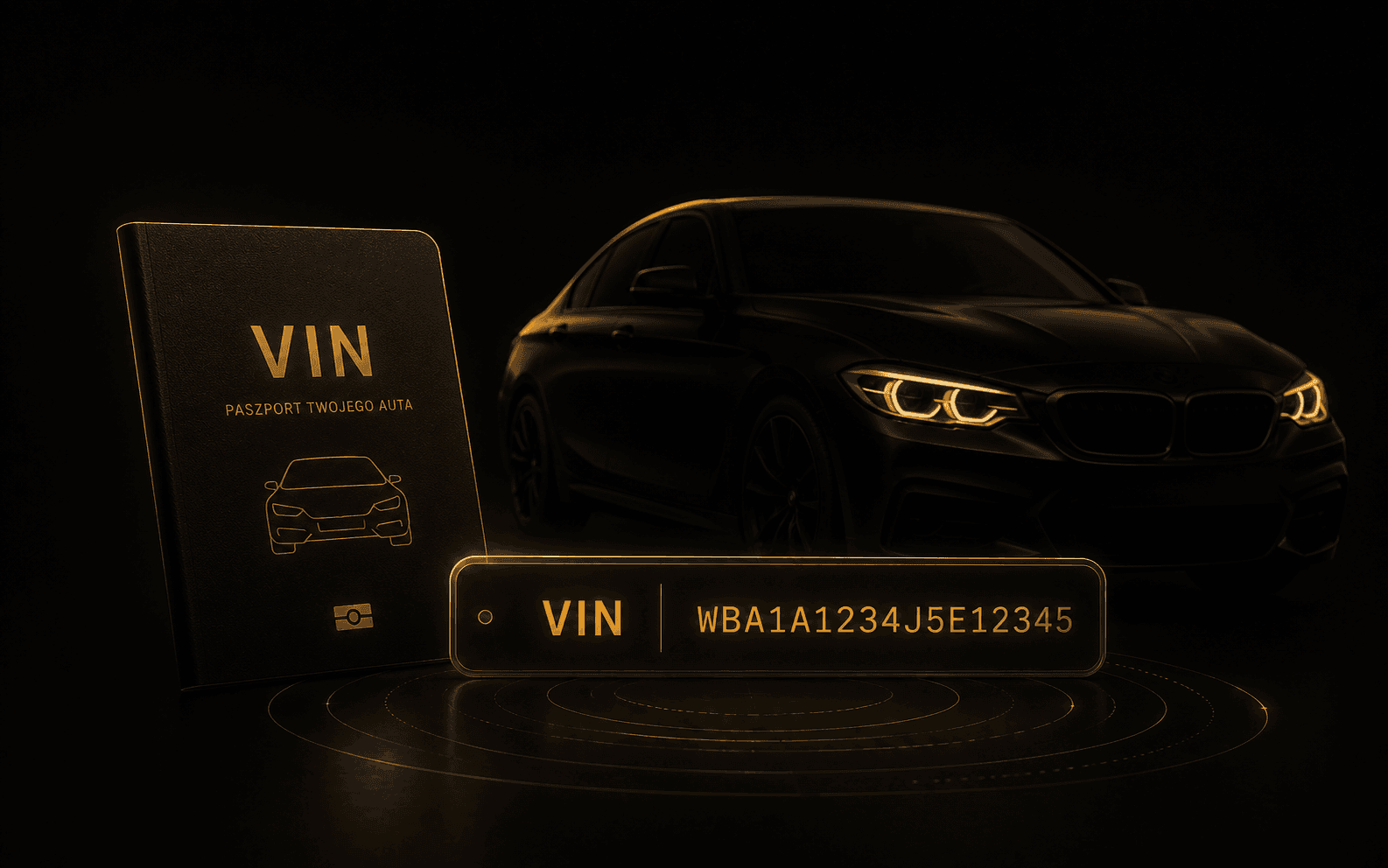
Every seller will tell you the same thing: no accidents, one careful owner, full service history. I've heard it hundreds of times. The real question is how you verify any of it before you've driven two hours to look at the car. The answer is 17 characters - the VIN.
VIN stands for Vehicle Identification Number. It's been mandatory on every car sold in Europe and the USA since 1981 - exactly 17 characters, unique worldwide for at least 30 years.
Each section tells you something specific:
WBA = BMW, WVW = Volkswagen, WAU = Audi)G = 2016, H = 2017, J = 2018)Think of it as the car's fingerprint. Every insurer, police registry, and database worldwide uses that number to log damage claims, thefts, and warranty work.
Every car has the VIN in at least two places. I always check both - if the numbers don't match, that car has a story it's not telling you.
Before handing over any money, compare the windshield VIN with the one on the registration document. A car is only as honest as its paperwork - and a scratched, sanded-down, or missing windshield VIN is reason to walk away immediately.
CEPiK (Poland's Central Vehicle and Driver Register) is a free public database at historiapojazdu.gov.pl - no login, no fee.
What you'll see:
What CEPiK won't show:
Compare the mileage readings from successive inspections. Normal growth is 15,000–25,000 km per year. If the mileage drops or "resets" to a lower value between two inspections - you're looking at odometer fraud. Classic example: 187,000 km in 2020, 142,000 km in 2022.
If the car has never left Poland, CEPiK will cover most of what you need. If it came in from Germany, France, Belgium, or the USA - it won't be enough on its own.
When CEPiK runs out of answers, you need a proper paid report. CarVertical pulls data from hundreds of sources at once:
Price: approx. €29. For a car worth €10,000–20,000, that's less than 0.3% of the purchase price. One report can save you thousands in hidden damage repairs.
Any car imported from Germany, Belgium, the Netherlands or the USA. These markets generate the highest proportion of cars with undisclosed accident history on the Polish used-car market. "From Germany, no accidents" is one of the most common lies in listings - CarVertical data verifies it in 2 minutes.
When you paste a listing link into Autolert AI, the VIN is one of the first things the tool checks:
A full history report from external databases can be ordered directly from within the analysis - one click, result in 2 minutes.
Seven things to check in a listing before you schedule a viewing - using the BMW 3 Series as an example. And how to hand the whole job to an AI agent in 60 seconds.

What breaks on BMW E90 and F30, how much repairs cost and how to inspect a used example. Fault list with prices and a pre-purchase checklist - straight talk.
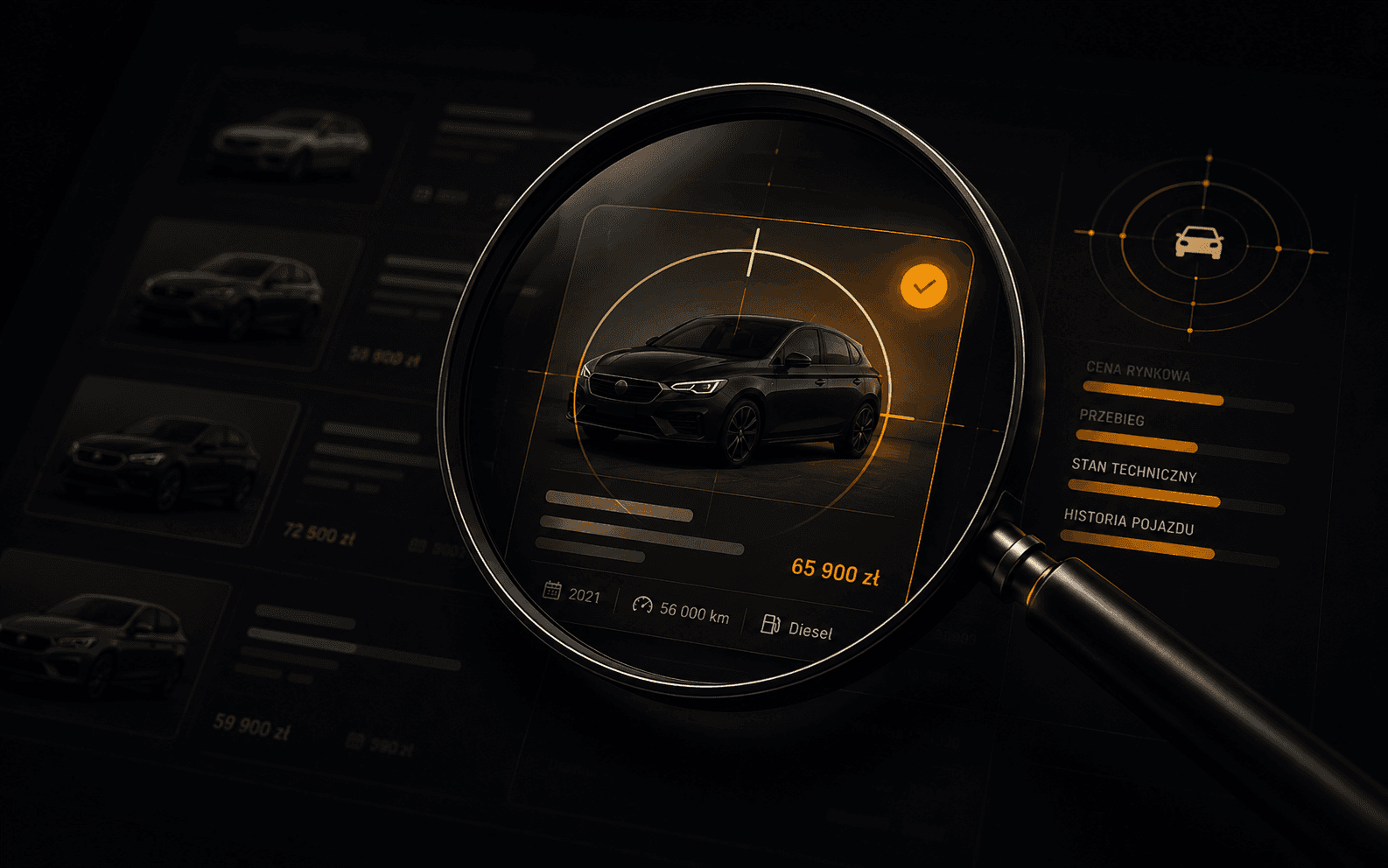
The Polish used-car market is a minefield. From 47 AI reports we extracted 10 red flags that should immediately stop you before scheduling a viewing.